By Omid @ DFW Glass Mart, Certified Technician · · Updated · 15 min read
Do Windshield Repair Kits Really Work?
Do windshield repair kits really work? A certified Dallas glass tech explains what DIY kits can and can't fix, the real cost, and when you need a pro.
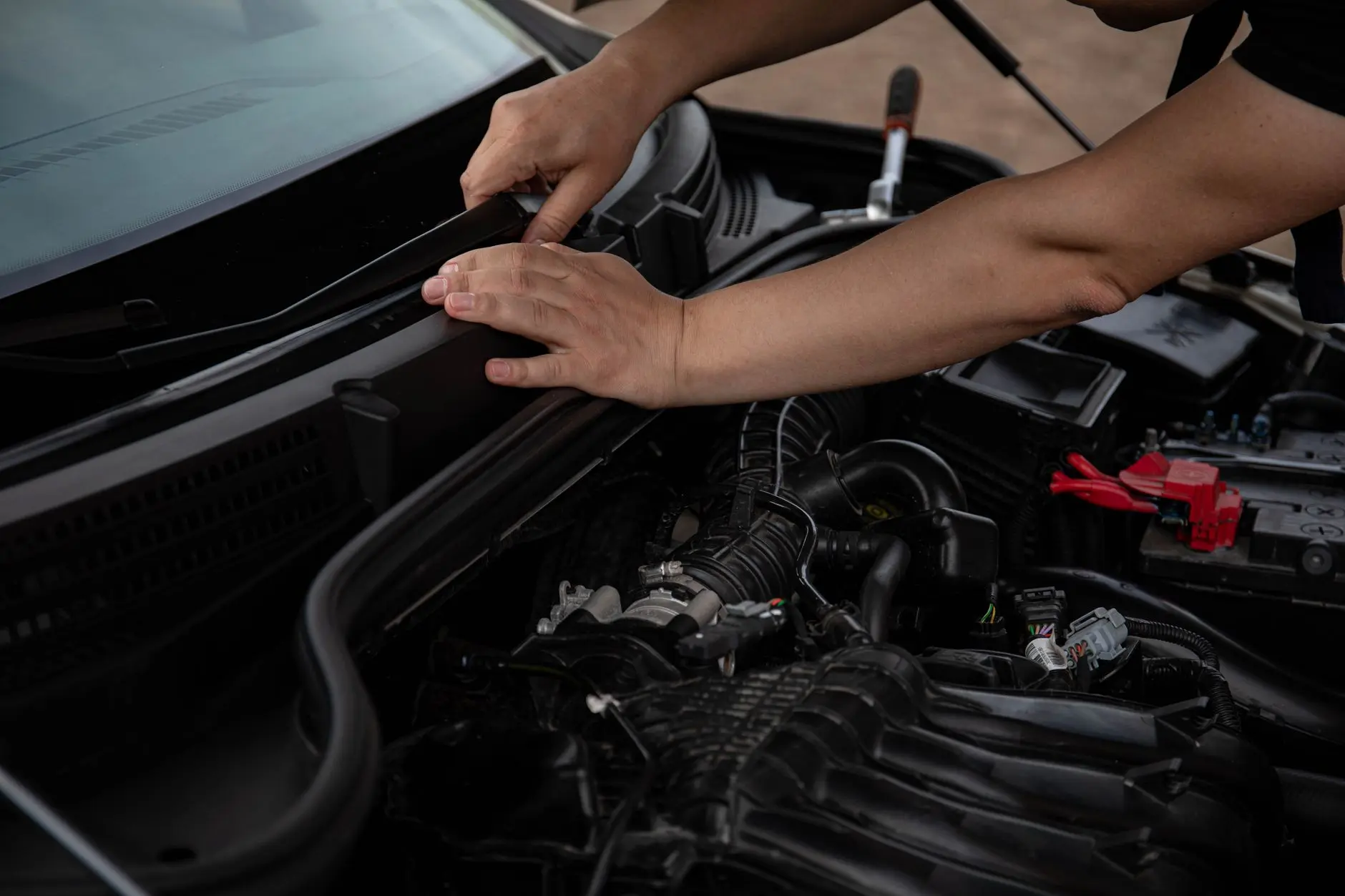
Do windshield repair kits really work? Yes, they can work on small, fresh bullseye chips away from the edges. But they often fail on cracks or complex damage. A half-done DIY repair can permanently ruin the glass, making a professional fix impossible. I see the same pattern week after week: a driver spends an afternoon with a syringe and resin, and two months later the chip has spread into a crack that forces a full windshield replacement.
You are probably reading this because a rock hit your glass this morning and you are staring at a star-shaped chip, wondering if the $15 kit at the parts store is enough. I get it. The promise on the box sounds great. In the next few minutes I will walk you through exactly what those kits can do, where they fall short. What a professional chip repair costs locally so you can make a call with real numbers, not guesses. We run same-day mobile service across Dallas, and we give free online estimates so you know the price before you commit.
Key Takeaways- A windshield repair kit can stabilize a small, fresh bullseye chip that is not in the driver's sight line or near the glass edge.- For anything larger than a quarter, any crack, or any damage close to the perimeter, skip the kit.- A failed DIY repair contaminates the break with improperly cured resin that blocks a professional vacuum repair later, often turning a $60 fix into a $300-plus replacement.- Professional chip repair in DFW runs $60 to $150 and comes with a lifetime workmanship warranty a kit cannot offer.- If the damage is a small chip, ask about repair first: it costs less than a replacement and keeps the factory seal intact.
Do Windshield Repair Kits Really Work?
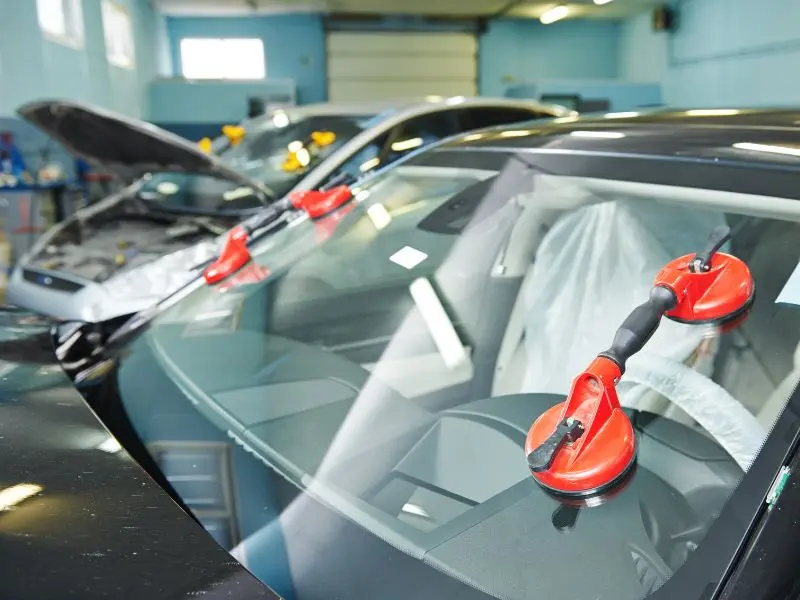
Do windshield repair kits really work? They work on one narrow condition: a small bullseye or star chip, smaller than a quarter, with no cracks radiating from it, located away from the windshield edge and outside the driver's direct sight line. That is the honest answer from a shop that has been connected to the auto glass industry for over 26 years[1].
A kit cannot repair a crack. It cannot fill a chip that has already started to spread. It cannot reach deep into a combination break where the impact crushed multiple layers of the glass laminate. Most kits push resin into the surface with a simple plunger or syringe. That works when the damage is a clean cone-shaped pit with no moisture, no dirt, and no hidden legs. The moment the break is more complex, the resin never reaches the bottom of the damage. The repair fails from the inside out.
Here is what matters most: if the damage is a small chip, ask about repair first. It costs less than a replacement and keeps the factory seal intact. The factory urethane seal around your original windshield is stronger and more consistent than any replacement bond. Preserving it is always the better outcome when it is safe to do so. As a licensed and insured shop with certified glass technicians, we have seen the same pattern repeat for over 26 years[1]. The chips that stay repaired are the ones that got a professional vacuum fill before the damage spread.
What a Windshield Repair Kit Can Actually Fix

A windshield repair kit is designed for one job only: filling a small, cone-shaped impact point before it spreads. Think of it as a first-aid measure, not a permanent cure. When the conditions are perfect, a kit can stop a chip from turning into a crack that runs across the glass.
Best case: small, fresh bullseye chips away from the edges
Here are the ideal conditions where a DIY kit has a real chance:
- The damage is a bullseye, star, or half-moon chip with no radiating cracks.
- The impact point is smaller than a quarter in diameter.
- The chip is at least three inches from any glass edge.
- The damage is completely dry and free of dirt or glass dust.
- The chip is not directly in the driver's forward field of view.
If your damage checks every one of those boxes, a kit might work. I have seen it happen. But most chips I see on Dallas roads do not check all five. A rock kicked up on I-635 at 70 miles per hour usually leaves a combination break: a central pit with short cracks radiating outward. Resin from a syringe cannot fill those legs because it has no way to pull a vacuum and draw air out of the crack first. The resin sits on top, hardens, and the crack keeps growing underneath the fill.
Not all damaged glass requires replacement. Sometimes a quick and efficient repair is all that is needed. Our windshield chip and crack repair service exists because we would rather save your factory glass when it is safe than sell you a replacement you do not need. The key is knowing which chips qualify, and that judgment comes from looking at the damage under magnification every day. Same crew, same phone number: we handle auto and home glass from one shop, so the technician who answers your call is the one who shows up. For a deeper look at what a professional repair involves, see our step-by-step guide on how to handle glass damage.
Where DIY Kits Fall Short (From a Tech Who Re-Repairs Them)
I have lost count of the service calls where a customer tried a kit first and called us when the chip spread anyway. The most common failure is not the kit itself. It is that the break was never a candidate for a surface-only fill. One customer, Tenisha, told us Alan made sure she understood the aftercare procedures from the first phone call and again on the day of service. That is the diagnostic conversation every chip repair starts with: what the damage actually looks like under magnification, and whether a kit has already blocked the fix.
Cracks, Edge Damage, and Sight-Line Chips
A kit cannot repair a crack of any length. The resin in those syringes is too thick to wick into a tight crack. Without vacuum pressure it never reaches the bottom of the laminate. Edge damage is even worse. The glass edge carries the most structural stress. A chip within two inches of the edge almost always propagates. A kit cannot stop that stress concentration.
Chips in the driver's sight line are a safety problem even when the fill looks clear. A DIY repair leaves a slight distortion that can scatter headlights at night or shift the apparent position of an object in the road. Professional repair resins are optically matched to the glass and polished to a near-invisible finish. Even then, we advise against repairing directly in the driver's forward view if the distortion is measurable.
Why a Failed DIY Repair Can Make a Professional Fix Impossible
Here is the part most kit instructions do not tell you. When a DIY repair fails, the resin cures inside the break and blocks the crack faces from bonding. Our professional process uses a vacuum cycle to pull air and moisture out of the damage before injecting a low-viscosity resin under pressure. If the break is already filled with hardened consumer-grade resin, the vacuum cannot pull anything through. The crack is permanently contaminated.
A call we get regularly sounds like this: a driver fills a quarter-sized bullseye with a kit on the weekend, and by midweek a crack has run several inches toward the passenger side. When our technician arrives, the kit resin is sitting in the pit like a plug, but the crack has opened underneath it. The only option at that point is a full replacement. The kit turned a repairable chip into a windshield job that now needs a full replacement.
Wind, noise, and water intrusions from glass leaks are the telltale signs of a repair that did not bond through the full thickness of the laminate. Once moisture gets into the break, the damage spreads faster, and the repair is no longer viable. If you are already dealing with a window that is off track or a failed motor, that is a different repair entirely. We cover that in our auto window regulator repair guide.
DIY Kit vs. Professional Repair: A Quick Comparison
Verdict: A kit can work on the simplest chips under ideal conditions. For everything else, the professional vacuum-and-injection process is the difference between saving the glass and replacing it.
Factor | DIY Kit | Professional Chip Repair |
|---|---|---|
Resin type | Thick, consumer-grade | Low-viscosity, optically matched |
Application method | Syringe or plunger | Vacuum cycle + pressure injection |
Depth of fill | Surface only | Full laminate depth |
Cure method | Sunlight or ambient UV | Calibrated UV lamp, timed cure |
Optical clarity | Often hazy or distorted | Polished to near-invisible |
Typical cost | $12-$25 | $60-$150, often with a lifetime warranty |
Risk if it fails | Contaminates the break, forces replacement | Warranty covers re-repair or replacement credit |
DIY Kit vs. Professional Chip Repair: Real Cost Compared
Nobody publishes glass prices, and that silence is the reason people brace for the worst and delay the repair. Let me put some real numbers on the table so you can compare what a kit actually costs against what a professional windshield chip repair runs in Dallas.
A windshield repair kit at a parts store runs $12 to $25. That is the full cost. You do the work yourself, and if it fails, you are out the kit price plus whatever the glass repair costs later.
What Professional Chip Repair Costs in DFW (and What Drives the Price)
Professional chip repair in DFW typically runs between $60 and $150 out of pocket. These are typical ranges that vary with vehicle class and glass type. The price moves with the chip size and complexity. A dime-sized clean bullseye prices at the low end. Anything up to quarter-sized with no crack legs is still a repair candidate, but a combination break that needs vacuum time and polishing runs higher. Most shops, including ours, back the repair with a lifetime workmanship warranty. Get a free online estimate and we will give you an exact number before you commit.
We have been connected to the auto glass industry for over 26 years[1]. In that time the math has stayed consistent: a professional repair costs about the same as two or three kits, and it comes with a guarantee the kit cannot offer. When the repair saves the factory windshield, it also saves the cost of a full replacement, which runs $250 to $500 or more depending on the vehicle and whether it needs ADAS recalibration.
The real cost comparison is not kit versus repair. It is kit versus the risk of turning a repairable chip into a full replacement. That is the bet a kit asks you to make.
Option | Upfront Cost | Warranty | Risk |
|---|---|---|---|
DIY kit | $12-$25 | None | Contaminates break; failed repair forces $250-$500+ replacement |
Professional chip repair | $60-$150 | Lifetime workmanship warranty | Warranty covers re-repair or replacement credit if it spreads |
Full windshield replacement | $250-$500+ | Varies by shop | Required when repair is no longer viable |
How Our Certified Technicians Repair a Chip, Step by Step
When you see the professional process, the difference from a syringe kit becomes obvious. Every step addresses a failure point that a kit cannot handle. Here is exactly what our certified glass technicians do on a mobile chip repair call.
- Inspect under magnification. The tech uses a lighted magnifier to map the full extent of the damage, including hairline legs invisible to the naked eye. This determines whether the chip is repairable or already too far gone.
- Clean and dry the break. Any moisture, glass dust, or road debris inside the chip will prevent bonding. The tech probes the pit with a fine tool and flushes it dry before anything else touches the glass.
- Drill a micro-access hole at the impact point. A tiny carbide bit opens a clean channel into the laminate exactly at the point of impact. This gives the resin a direct path to the deepest part of the break.
- Mount the vacuum injector. The injector seals over the damage and cycles between vacuum and pressure. The vacuum pulls air and moisture out of every crack leg. The pressure pushes low-viscosity resin into the voids the vacuum just cleared. A kit cannot do this.
- Inject optically matched resin. The resin is formulated to match the refractive index of the glass so the cured repair does not distort light. It flows into the full depth of the laminate, not just the surface pit.
- Cure with calibrated UV light. A timed UV lamp hardens the resin at a controlled rate. Curing too fast creates stress in the fill; too slow leaves it soft. Sunlight is not a controlled cure.
- Scrape and polish the surface. We scrape the excess resin and polish the repair flat to the glass. The result is smooth to the touch and near-invisible.
A real example: a customer called us one evening right after an accident on the Dallas North Tollway. Our crew arrived at 8:20 the next morning and finished the job by 9:35. That is the speed of a professional repair when the damage is a clean candidate. No waiting for a kit to cure in the sun, no second attempt when the first fill does not take. Another customer, Zach, told us the technician was friendly and professional, explaining his work thoroughly before starting. From first call to full repair was less than 24 hours. For a full breakdown of what a replacement costs when a repair is not an option, see our DFW windshield replacement cost guide.
When Windshield Repair Is No Longer Enough
Sometimes the safest and most honest answer is that the windshield cannot be saved. A repair is only as strong as the glass around it, and when the damage compromises the structural integrity of the panel, replacement is the only responsible call. We have been connected to the auto glass industry for over 26 years[1], and in that time the threshold has stayed consistent.
Here are the conditions where a chip repair is no longer viable and a full windshield replacement is the safer choice:
- The damage is directly in the driver's forward field of view, where even a polished repair can create a measurable distortion.
- A crack has grown longer than six inches, or the chip has multiple radiating cracks. At this length, the laminate's inner plastic layer has separated too far for resin to bridge it reliably.
- The damage reaches the edge of the glass, where stress concentration makes crack propagation almost certain. The edge carries the highest bending stress from body flex, and thermal cycling from defrosters and wiper heat accelerates the spread.
- The impact has penetrated both layers of the laminate, leaving a hole or loose glass on the interior side.
- The chip is over an embedded sensor, heating element, or antenna that the repair resin could damage.
If the damage is a small chip, ask about repair first. It costs less than a replacement and keeps the factory seal intact. That is always our starting point. But when the damage crosses any of the lines above, we recommend replacement because your windshield is a structural part of the vehicle's roof crush resistance and airbag deployment path.
Modern vehicles also need ADAS windshield recalibration after a replacement. The forward-facing camera mounts to the glass itself, so any new windshield changes its optical geometry. That is why our in-house recalibration happens before the vehicle leaves: lane-keeping, automatic braking, and adaptive cruise control must be re-aimed to factory specifications. Our certified glass technicians handle that recalibration so you do not have to schedule a separate dealer visit after the glass work is done. Every replacement we do is backed by our Get It Done Right Guarantee: the job gets done correctly the first time. If something is not right after we leave, call us and we will come back. If you drive a larger vehicle, the process is similar. We cover the specifics in our guide on windshield replacement for semi-trucks in DFW.
For those needing a full replacement, we detail the specific pricing and factors affecting the cost of a Kia windshield replacement in Dallas.
Frequently Asked Questions
Which windshield repair kit works best?
No consumer kit matches a professional vacuum-injection repair. The kits with a screw-type pressure injector and a UV cure light perform better than simple syringe-and-sunlight kits, but they still cannot pull a vacuum to clear the break before filling. If you must use a kit, choose one with a pressure bridge and UV lamp, and understand that the repair is temporary on anything beyond a simple bullseye.
Can I fix a crack in my windshield myself?
No. A windshield repair kit cannot fix a crack of any length. The resin is too thick to wick into a tight crack, and without vacuum pressure it never reaches the bottom of the laminate. A crack longer than six inches or one that reaches the glass edge needs a full windshield replacement. Attempting a DIY fill on a crack wastes the kit and contaminates the break, making a professional repair impossible later.
How long does a professional chip repair take?
Most chip repairs take 30 to 45 minutes from start to finish. The vacuum and injection cycles run about 15 to 20 minutes, the UV cure takes another 5 to 10, and the final polish takes a few minutes. Mobile service adds no extra time because the tech brings the full workshop in the van. You can wait at home or at the office and have the car back before lunch.
How fast can you get to me for a mobile repair?
Most auto glass jobs get scheduled the same or the next day. We run mobile service across the greater Dallas area, including Plano, Frisco, McKinney, Allen, and the surrounding cities. When you call (972) 900-3117, we give you a straight answer on when a tech can be at your location. Chip repairs are the fastest jobs on the schedule because they take under an hour and require no curing time before you can drive.
What does your guarantee cover on a chip repair?
Our Get It Done Right Guarantee means the job gets done correctly the first time. If something is not right after we leave, call us and we will come back. The lifetime workmanship warranty covers the bond and clarity of the fill for as long as you own the vehicle.
What does windshield chip repair cost in Dallas?
Professional chip repair in DFW typically runs between $60 and $150 out of pocket. The price moves with the chip size and complexity. A clean bullseye smaller than a dime is at the low end. A combination break that needs vacuum time and polishing runs higher. Most shops, including ours, back the repair with a lifetime workmanship warranty. For a broader look at glass pricing, see our cheap car glass replacement cost guide for DFW.
Before You Decide
Run through these checks before you pick up a kit or make a call:
- Measure the chip: is it smaller than a quarter with no cracks radiating from it?
- Check the location: is it at least three inches from the glass edge and not in your direct sight line?
- Look for moisture: has any rain, dew, or car-wash water gotten into the break?
- Feel the inside glass: can you feel a bump or hole on the interior surface?
- Consider the timeline: a chip can spread into a crack in days, especially with Dallas temperature swings.
If the answer to any of the first four is no or yes in the wrong direction, skip the kit. Call a certified technician who can look at the damage under magnification and tell you honestly whether it is repairable. The quote is free, and the answer takes five minutes.
A professional chip repair costs less than most people expect, and it comes with a warranty a kit cannot offer. The next time you are staring at a fresh chip and searching whether do windshield repair kits really work, remember: the kit might hold. If it does not, the repair you could have had for $60 becomes a replacement you did not need. Get a free online estimate for your chip or crack and find out whether your glass can be saved.
Get a Free Chip Repair Quote or call (972) 900-3117 for same-day mobile service across Dallas.