By Omid @ DFW Glass Mart, Certified Technician · · Updated · 14 min read
Glass Table Top Protector: Custom DFW Guide
A custom glass table top protector stops scratches and heat damage. We cut, temper, and polish glass for any table shape. Get a free DFW quote today.
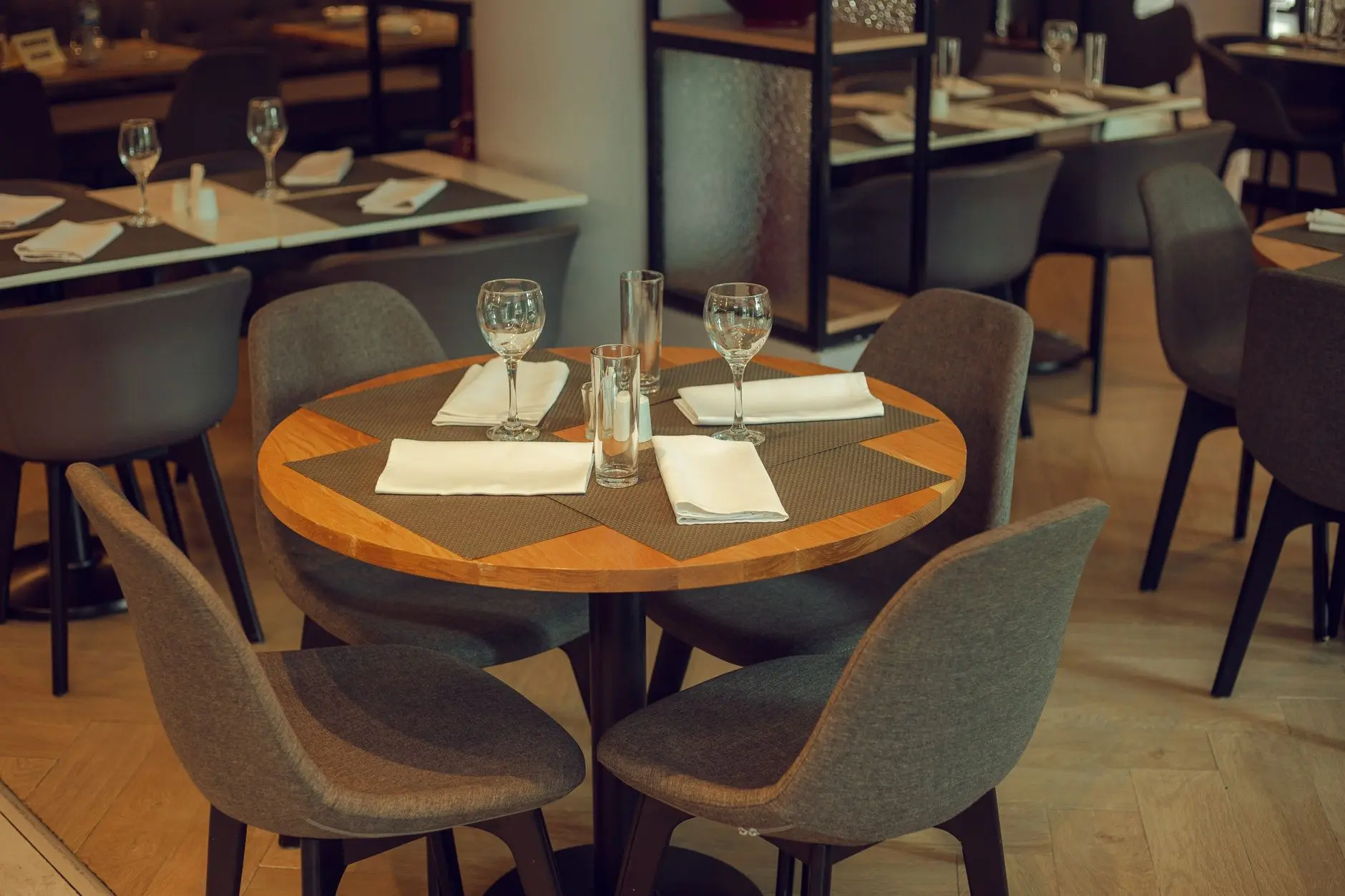
A custom glass table top protector is a tempered-glass sheet cut to the exact shape of your table. It blocks scratches, spills, and heat while the table surface stays fully visible. At DFW Glass Mart, we cut and temper your protector locally in Dallas-Fort Worth, so the piece fits your table and your life, not a warehouse shelf.
You might be looking at a $3,000 dining table and wonder if a $200 glass protector is the right move. I hear this every week. The short answer is yes, if you pick the right glass and fit it correctly. I am Omid, manager at DFW Glass Mart, and our shop has been connected to the glass industry for over 26 years. We have cut thousands of custom tabletops, backsplashes, and shower doors, so we know which thicknesses hold up, how edges affect safety, and when tempered glass earns its cost.
Key Takeaways- A custom glass table top protector prevents scratches, heat rings, and spill damage without hiding the wood grain or finish.- Tempered glass is roughly four to five times stronger than annealed glass - a hot serving dish straight from the oven will not crack it.- 1/4-inch glass works for most dining tables; 3/8-inch and 1/2-inch suit heavier-use surfaces or commercial furniture.- Local custom cutting removes freight-breakage risk and lets us radius corners, polish edges, and fit bumper pads on site.
What Is a Glass Table Top Protector (and Who Needs One)?
A glass table top protector is a flat glass panel that sits directly on your table surface. It takes the daily abuse - plates, laptops, coffee mugs, homework projects - so the wood or stone underneath stays untouched. The protector itself carries the scratches and impact, and you replace just the glass if it ever chips or pits, not the whole table.
This is not a decorative topper that floats above the surface. A true protector is cut flush to the table’s edge, usually 1/4-inch to 1/2-inch thick, and sits on small clear bumper pads that prevent sliding and let air circulate. We fabricate these every week for dining tables, conference tables, nightstands, and antique desks across Dallas, Plano, and Frisco.
Who benefits most? Families with young kids, anyone who hosts regularly, and owners of high-end wood tables that would cost more to refinish than the protector itself. I have also cut protectors for rental-property owners who want a dining surface that survives tenants without a refinishing bill every turnover.
Featured snippet target: A glass table top protector is a custom-cut tempered glass panel placed directly on a table to shield the surface from scratches, spills, and heat while keeping the original finish fully visible. It is typically 1/4 to 1/2 inch thick, sits on clear bumper pads, and can be made for any table shape.
Should You Put Glass on a Wooden Table? An Honest Answer
Customers ask me every week, "Will the glass scratch my wood table, and is tempered really worth the extra cost?" The answer is yes to both - under two conditions: the glass is tempered, and it rests on bumper pads. The fear I hear most often is that the panel will trap moisture, cloud the finish, or scratch the wood just by sitting there. Those problems happen when someone lays a piece of cheap annealed glass flat on the wood with no pads. The panel sweats, the moisture sits, and the finish hazes over. We do not sell that setup.
We cut every protector from tempered glass. Tempering creates compressive surface stress through controlled heating and rapid cooling, which makes the panel roughly four to five times stronger than annealed glass. A heavy casserole dish does not crack it. The edge work matters just as much. Our shop polishes a smooth eased edge on every piece, which removes the sharp factory rim and makes the protector safe to handle. Then we fit small clear vinyl bumper pads every 8 to 10 inches along the perimeter. Those pads lift the panel just enough for airflow and stop it from sliding.
A customer in University Park called us last fall after a wine spill soaked through a tablecloth and left a white ring on her mahogany dining table. She had been told never to put glass on wood. We measured the table, cut a 3/8-inch tempered protector with polished edges, and set it on bumper pads. A year later, the table underneath looks exactly the way it did after the refinishing, and she wipes the panel with Windex after dinner. The key was the pads and the tempering - not the glass alone.
Get a free custom quote for your table: Request a glass table top protector quote and we will measure, cut, and deliver a protector that fits your table and your routine.
Choosing the Right Protector Glass
Thickness Compared: 1/4-inch, 3/8-inch, and 1/2-inch
Thickness is the decision that moves price and durability the most. Here is how I walk a customer through it at the shop.
Thickness | Best For | Weight per sq ft | Relative Cost | Notes |
|---|---|---|---|---|
1/4 inch | Light-use dining tables, nightstands, desks | ~3.3 lbs | $ (lowest) | Strong enough for daily plates and laptops; the most common residential choice. |
3/8 inch | Main dining tables, conference tables, family kitchens | ~4.9 lbs | $$ (mid) | Handles heavy serving dishes and frequent use; feels substantial underhand. |
1/2 inch | Commercial tabletops, heavy-use surfaces, large spans | ~6.5 lbs | $$$ (highest) | Used for restaurant tables and oversized desks; the extra mass damps vibration. |
For a standard six-seat dining table, 1/4-inch tempered glass does the job. I recommend 3/8-inch when the table sees daily family meals, hot dishes straight from the oven, or kids doing homework with laptops and binders. The half-inch option usually shows up in commercial spaces - a coffee-shop counter or a conference table that spans eight feet. The cost steps up with thickness, but so does the sense of permanence.
Tempered vs. Annealed for Protection
Tempered glass is the only glass we will put on a table. Annealed glass - the standard float glass that comes off the line - breaks into long, dagger-like shards. Tempered glass, if it ever breaks, crumbles into small pebble-sized pieces that are far less dangerous. That safety difference alone makes tempering non-negotiable for a surface people eat on, lean on, and reach across.
Tempering also handles thermal shock. A hot pan set on annealed glass can cause a stress crack within seconds. Tempered glass withstands temperature differentials that would shatter untreated glass immediately. When a customer asks if the protector can handle a hot coffee mug or a pizza stone, the answer is yes - because the glass is tempered, not because it is thick.
Edge Profiles, Corners, and Bumper Pads
Every edge we ship gets a polished eased profile. A flat-polished edge is a square cut that is then ground smooth and buffed to a satin finish. It looks clean, it is safe to touch, and it costs less than a beveled edge. For a protector, a bevel adds cost without adding protection, so I steer most customers toward the eased polish.
Corners matter on rectangular and square tables. We radius the corners to a gentle curve - typically a one-inch or two-inch radius - so a hip or a child’s head does not meet a sharp point. On oval and round tables, the whole perimeter is a continuous curve, which is inherently safer.
Bumper pads are the last step and the one that prevents the most callbacks. We use small, optically clear polyurethane pads with a non-slip backing. They stick to the glass, not the table, and we space them close enough that the panel never bows between pads. On a six-foot table, that is usually 12 to 14 pads. The pads keep the piece stable, allow air to circulate, and stop the protector from creeping when someone leans on it.
Clear, Low-Iron, Tinted, or Frosted
Clear glass is the default. It has a faint greenish cast that is visible on the edge but nearly invisible looking straight through it. For most wood tables, clear glass disappears.
Low-iron glass removes that green tint. It is optically clearer, almost like looking through water. I recommend low-iron for white or light-colored tabletops - a white lacquer desk or a marble table - where the green edge would stand out. It costs more, but the visual difference on a light surface is real.
Tinted glass - bronze or gray - cuts glare and adds a darker tone. Frosted glass obscures the surface underneath and reads as a design choice, not a protector. I have cut frosted protectors for modern glass desks where the owner wanted a soft, matte look that still protected the original glass top from scratches.
Measuring a Glass Table Top Protector for Custom Shapes
A custom protector only works if the template is exact. We measure every table ourselves or walk the customer through a templating process they can do at home with kraft paper and a pencil. The most common shapes we cut are rectangles, ovals, and racetrack ovals - a rectangle with fully rounded ends - but we have also cut protectors for kidney-shaped desks, octagonal poker tables, and a grand piano lid.
For a round table, we need the diameter at its widest point and a note on whether the edge has a raised rim. A rimmed table needs the glass to sit inside the rim, so we cut slightly undersized - usually 1/8 inch smaller than the inner diameter - to allow for expansion and to avoid binding. For an oval, we take a centerline length, a centerline width, and the radius of each end curve.
The templating step is where local fabrication wins over an online order. When you buy a protector from a website, you measure the table yourself, enter the numbers, and hope the piece arrives intact. We have seen online orders come in with a half-inch gap on one side because the customer measured the tabletop instead of the inner rim. When we template in person, we own that fit. If the glass does not drop in perfectly, we recut it.
A family in Frisco ordered an online protector for a 60-inch round dining table with a raised rim. The piece arrived 1/4 inch too large and would not seat inside the rim. They called us, we templated the table properly, cut a new protector, and installed it the same week. The original online piece is still leaning against their garage wall.
Glass Protector vs. Table Pad vs. Tablecloth
Option | Scratch Protection | Heat Protection | Spill Protection | Visibility of Table | Typical Lifespan |
|---|---|---|---|---|---|
Glass protector | Full | Full (tempered) | Full, wipes clean | Full - table remains visible | 10+ years |
Vinyl table pad | Moderate | Moderate | Good, but seams can leak | None - opaque | 3-5 years |
Tablecloth | Minimal | Minimal | Fabric absorbs, finish can still stain | None | 1-3 years with washing |
A table pad is a cushioned vinyl or felt layer. It insulates well and protects from dents, but it hides the table completely. A tablecloth does even less - a hot mug goes straight through to the finish, and a spilled glass of red wine soaks through in seconds. The glass protector is the only option that preserves the look of the table while actually protecting it from the three things that ruin a finish: scratches, heat, and moisture.
What a Custom Glass Table Top Protector Costs
The price of a custom glass table top protector turns on four things: size, thickness, edge work, and glass type. Here are honest ranges for a standard dining table, based on what we quote daily in DFW.
Table Size | 1/4-inch Clear Tempered | 3/8-inch Clear Tempered | Notes |
|---|---|---|---|
Small (up to 24" x 36") | $80 - $150 | $120 - $200 | Nightstands, small desks. |
Medium (36" x 60" to 42" x 72") | $180 - $320 | $260 - $420 | Standard 4-6 seat dining tables. |
Large (48" x 84" and up) | $350 - $550 | $450 - $700 | Conference tables, large oval dining tables. |
These ranges include templating, tempered glass, polished eased edges, radiused corners, and a set of bumper pads. What moves a table from the bottom to the top of its range is usually the shape complexity, a low-iron upgrade. A beveled edge - irregular outlines that need hand templating add labor, and premium glass types carry a material premium. The best way to get a firm number is to send us a photo of the table with a tape measure across it, and we will return a quote the same day.
See what your table would cost: Get a free custom quote with a photo and rough dimensions, and we will reply with a firm price within one business day.
Cleaning and Caring for Protector Glass
Protector panels are easy to clean and hard to ruin, which is the whole point. A standard glass cleaner and a microfiber cloth handle daily smudges and fingerprints. I tell customers to avoid ammonia-based cleaners if the table underneath has a shellac or lacquer finish - overspray can drift under the pads and cloud the finish over time. A vinegar-water mix or an ammonia-free glass cleaner avoids that risk entirely.
For the bumper pads, check them every six months. They can collect dust at the edges. Lift the panel with a helper, wipe the pads with a damp cloth, and set the piece back down. If a pad loses its grip, peel it off and stick a fresh one in the same spot. We include extra pads with every protector.
One maintenance note that surprises people: tempered glass can scratch if you drag something abrasive across it - a ceramic planter with an unglazed bottom, for example. The protector is there to take that scratch instead of the table, and a scratched protector still protects. But if the scratch bothers you, the fix is replacing the panel, not refinishing the table. That is the trade working in your favor.
Why Order Custom-Cut Protectors Locally in DFW
Glass does not ship well. A 48-by-72-inch tempered panel is heavy, awkward, and one bad drop away from a thousand pieces. When you order from an online retailer, that panel rides in a truck across several states. It gets handled at multiple depots and arrives on your doorstep with a corner chip often enough that we get recut calls from online-order customers every month. Then you deal with a return, a reorder, and another two weeks of waiting.
We cut and temper your protector within the Dallas-Fort Worth metro. The panel travels from our supplier to our shop, then from our shop to your table in one of our own vehicles, padded and secured. If there is a problem - a fit issue, a scratch, a wrong radius - we know about it the same day and fix it the same week. You are not emailing a customer-service queue in another state.
Local also means we can handle the oddball tables that no website dropdown menu covers. I have templated a 14-foot conference table in Las Colinas that needed two protector panels with a near-invisible seam. I have cut a protector for a curved reception desk in a medical office in Addison. Those jobs do not fit in a shipping box. They fit in a van.
Another customer in Plano had a custom live-edge dining table with a wavy, irregular outline. We templated the exact contour with a profile gauge and digitized the shape. Then we waterjet-cut a protector that followed every curve within a sixteenth of an inch. That table now has a glass skin that looks like it grew there, and the owner does not worry about red wine or pizza grease touching the raw wood.
Frequently asked questions
What thickness glass is best for a table protector?
1/4-inch tempered glass works for most residential dining tables. Step up to 3/8-inch if the table sees heavy daily use, hot dishes, or kids’ homework sessions. 1/2-inch is typically reserved for commercial tabletops and very large spans where extra rigidity matters.
Does glass protect a table from heat?
Yes, when the glass is tempered. Tempered glass withstands the thermal shock of a hot serving dish or a coffee mug straight off the warmer. Annealed glass can crack under the same heat, which is why we only use tempered glass for every protector we fabricate.
How do you keep glass from sliding on a table?
Clear polyurethane bumper pads placed every 8 to 10 inches around the perimeter hold the glass in place. The pads have a non-slip backing that grips the table without adhesive, and they lift the panel enough for airflow to prevent moisture buildup.
Can I get a glass protector for a round or oval table?
Yes. We template round, oval, and irregular shapes by hand and cut the glass to match the exact contour. Rounded tables are actually safer because there are no corners to bump into.
How long does a custom glass table top protector last?
A properly fitted tempered-glass protector can last 10 years or more. The glass itself does not wear out. The most common reason for replacement is a deep scratch from something abrasive, and even then the table underneath stays untouched.
Do you deliver and install the protector?
Yes. We deliver and install across the Dallas-Fort Worth area, including Plano, Frisco, McKinney, Allen, and the surrounding cities. We bring the protector, set it on the bumper pads, and make sure the fit is right before we leave. Our technicians walk you through aftercare before we leave - it is the thing customers mention most in reviews.
A glass table top protector is one of the few home purchases that solves a problem once and then disappears. You stop worrying about the table and start using it. The key is getting the glass right - tempered, properly thick, polished on the edges, and cut to the exact shape of your furniture. That is what we do every day at DFW Glass Mart, and we have been connected to the glass industry for over 26 years.
If you are in Dallas, Plano, Frisco, or anywhere in the DFW metro, call us at (972) 900-3117 or request a quote online. Send us a photo of your table with a rough measurement. We will return a firm price, usually the same day. We template, cut, temper, and deliver - no freight breakage, no online sizing guesswork, and a lifetime workmanship warranty on the installation. A custom glass table top protector from a local shop means you get a piece that fits the first time.
Ready to protect your table? Get your free custom quote now, and we will have a price back to you within one business day.